Bee Health And Trends 2026
Bees are at the heart of a story much bigger than honey. They support food production, biodiversity, and healthy ecosystems, making their survival important for farmers, gardeners, students, and everyday readers. In 2026, the focus is no longer simply on whether bee populations are declining, but on understanding why and what can be done to protect them.
That is where Bee Health trends become more than a search term. They help explain what is happening inside and around the hive, why colonies face growing pressure, and which innovations are improving their future. Instead of repeating familiar warnings, this article explores the latest developments shaping bee health today.
Bee Health and Environmental Challenges 2026
Protecting bees starts with understanding the environmental challenges they face. According to recent Bee Health research, multiple threats often work together, making colony survival more difficult than ever.
Impact of climate change on bee populations
Climate change is changing flowering seasons, reducing nectar availability, and disrupting bee foraging patterns. Warmer temperatures and unpredictable weather also affect overwinter survival, making colonies more vulnerable. As FAO Director-General Qu Dongyu said, "Pollinators have enormous economic value and are silent heroes," highlighting their essential role in global food security.
Pesticide exposure and colony health risks
Pesticides remain one of the leading causes of pollinator decline. Residues found in pollen and nectar can weaken bee immunity and reduce colony resilience. European Commissioner Virginijus Sinkevičius emphasized the importance of reducing chemical pesticide risks, reinforcing the need for farming practices that better protect pollinators.
Urban beekeeping and ecosystem balance
Urban beekeeping continues to grow, offering education and community engagement. However, excessive hive density may increase competition with native pollinators. A balanced approach that combines managed hives with diverse flowering habitats helps create healthier urban ecosystems.
Modern Trends in Beekeeping Industry
The beekeeping industry is evolving quickly as technology and sustainability become central to hive management. These innovations are shaping modern Bee Health trends around the world.
Smart beekeeping technology and sensors
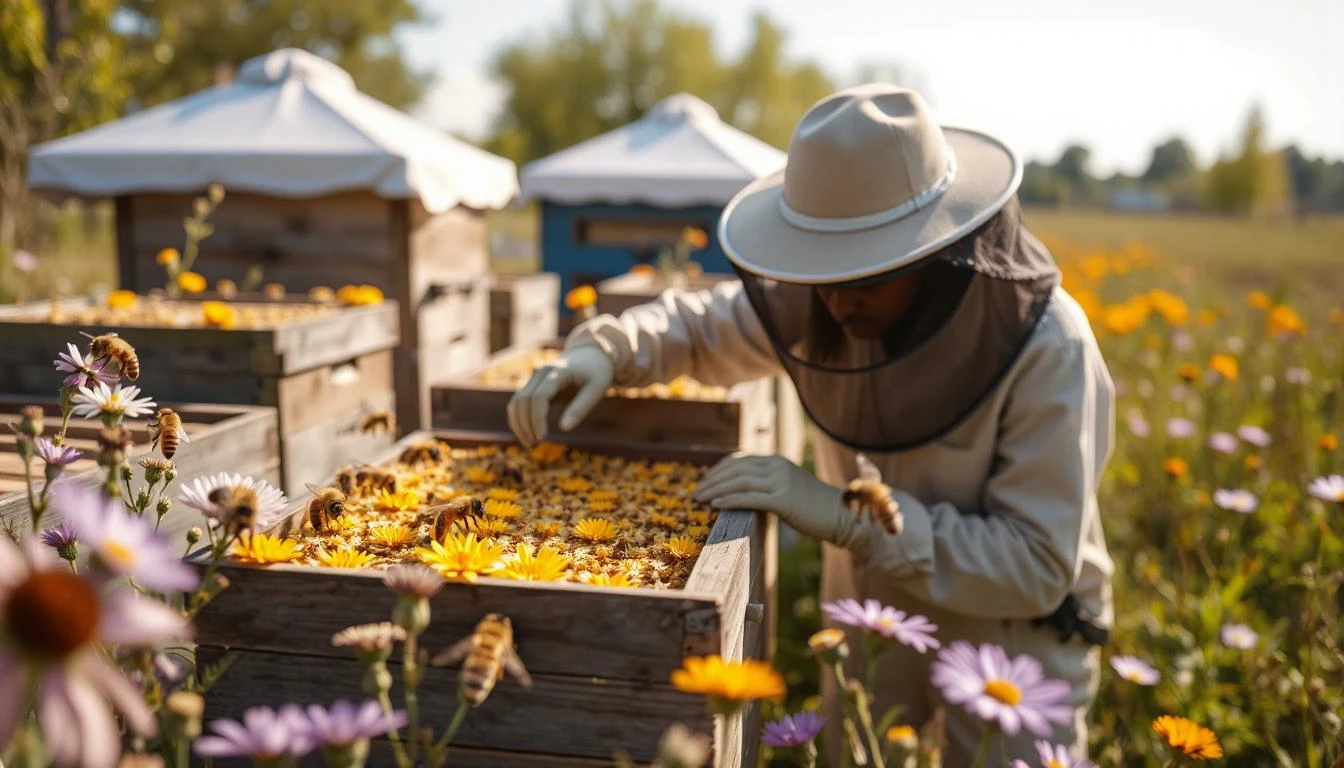
Smart hive systems use sensors to monitor temperature, humidity, hive weight, and bee activity in real time. Early detection of unusual changes allows beekeepers to respond before colonies experience serious stress, making precision beekeeping an increasingly valuable tool.
Organic honey production growth
Consumer demand for organic honey continues to rise as more people value sustainable food production. Organic beekeeping promotes lower chemical exposure while strengthening consumer trust and supporting healthier bee colonies.
Sustainable hive management practices
Sustainable hive management focuses on improving forage quality, reducing pesticide exposure, monitoring diseases early, and respecting natural bee behavior. Current Bee Health research consistently supports integrated management rather than relying on a single solution.
Future Innovations in Bee Conservation
Innovation is opening new opportunities to strengthen bee populations. Scientists, farmers, and conservation groups are working together to develop practical solutions that improve long-term resilience.
Genetic research for bee resistance
Advances in genetics, artificial intelligence, and colony monitoring are helping researchers identify traits associated with stronger disease resistance. These discoveries could improve breeding programs and increase colony survival in the future.
Pollinator-friendly farming methods
Planting flowering strips, reducing pesticide use, and improving habitat diversity benefit both bees and agriculture. Pollinator-friendly farming is becoming one of the most effective long-term conservation strategies while supporting healthier ecosystems.
Global conservation programs
International conservation initiatives continue to encourage habitat restoration, public education, and better monitoring of pollinator populations. Global cooperation is becoming increasingly important as environmental challenges cross national borders.
Protect Bee Populations for a Sustainable Future
The future of bees depends on many small actions working together. Smarter hive management, healthier landscapes, sustainable farming, and continued conservation efforts all contribute to stronger pollinator populations. Most importantly, Bee Health trends remind us that protecting bees also means protecting biodiversity, food security, and the future of our ecosystems.