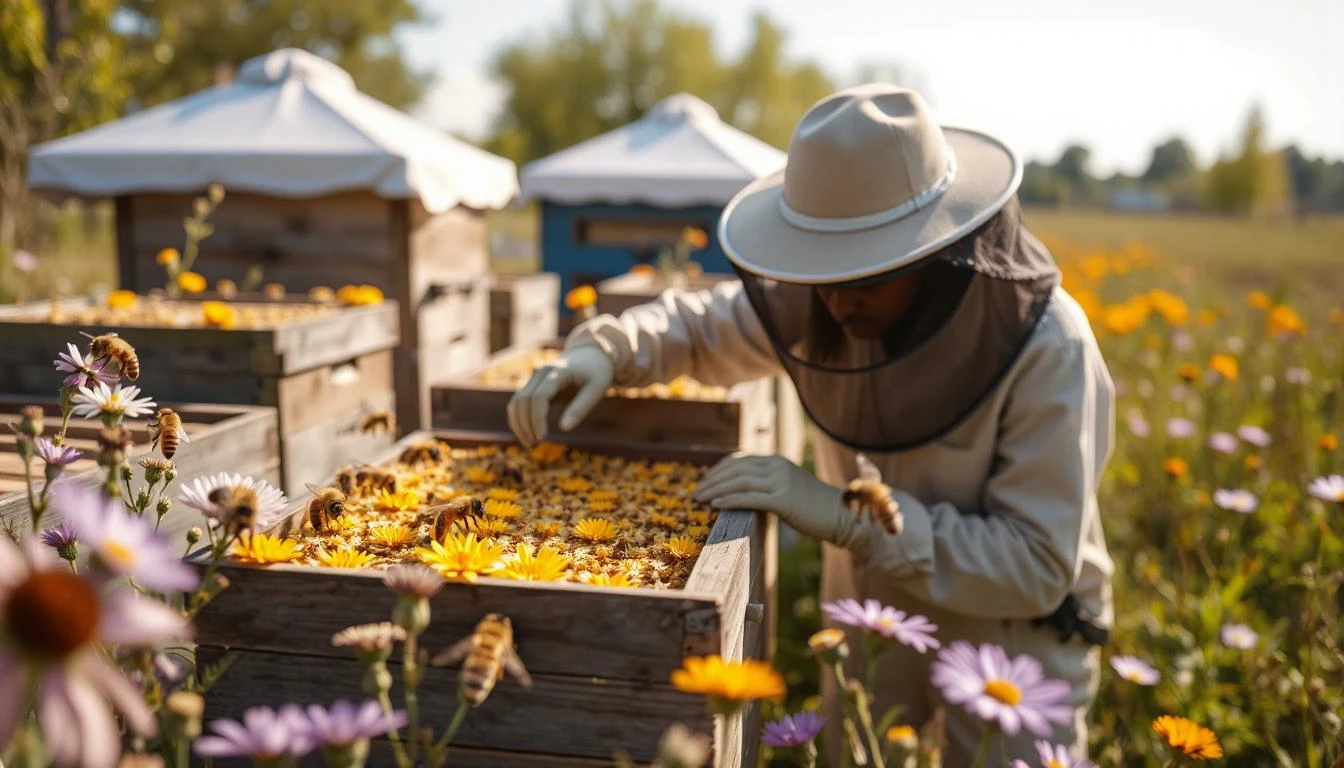
Beekeeping Guide 2026
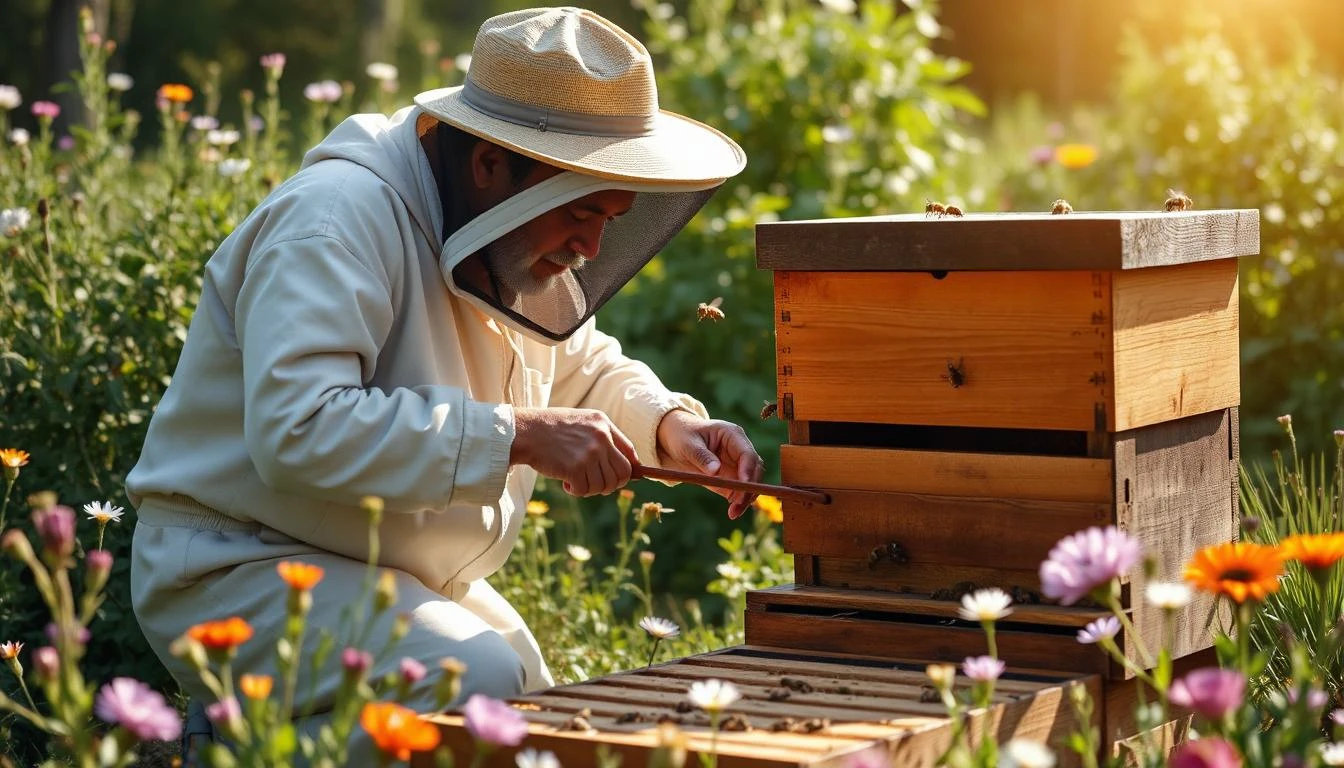
Keeping bees has never been more fascinating than it is today. Around the world, more people are discovering that beekeeping is not only about harvesting honey but also about protecting biodiversity, supporting food production, and learning how one of nature's most organized communities truly works. If you've ever wondered why some colonies flourish while others struggle, this guide will answer the questions that matter most.
Education is the foundation of successful beekeeping, and understanding the latest practices can make a remarkable difference from your very first hive. This Beekeeping Guide tips article brings together practical knowledge, modern innovations, and trusted recommendations that match today's search intent, helping you build healthier colonies while avoiding common beginner mistakes. As entomologist Dr. Marla Spivak explains, "Healthy bees are essential to healthy ecosystems," reminding us that every improvement inside a hive creates a positive impact far beyond the apiary.
Essential Beekeeping Basics for Beginners
Every experienced beekeeper started exactly where you are now. Before choosing equipment or opening your first hive, understanding the basic principles will help you make better decisions, reduce unnecessary mistakes, and build confidence from the very beginning. Having the right knowledge is often more valuable than buying expensive equipment too early.
Choosing the proper equipment also plays an important role in long-term success. Investing in reliable Beekeeping Guide tools makes hive inspections safer, more efficient, and less stressful for both you and your bees.
Choosing the Right Hive System
The hive is the home of your colony, so selecting the right design should be your first decision. The Langstroth Hive remains the most popular choice because of its modular frames, simple maintenance, and widespread availability. Meanwhile, Top-Bar and Warre hives appeal to beekeepers looking for a more natural management style.
Think about your local climate, available space, maintenance schedule, and long-term goals before making a decision. A hive that matches your needs is far easier to manage throughout the year.
Understanding Bee Behavior
Healthy colonies communicate continuously through pheromones, movement, vibrations, and collective behavior. Learning how bees respond to weather changes, nectar flow, queen activity, and population growth allows you to recognize problems before they become serious.
Understanding concepts such as bee colony management, queen bee health, pollinator conservation, apiary management, hive inspection, and nectar flow naturally improves both your practical knowledge and your ability to care for thriving colonies.
Safety Equipment and Tools
Safety should never be overlooked. A quality bee suit, protective veil, gloves, smoker, hive tool, and first-aid kit help create a safer working environment while reducing unnecessary stress on the colony.
Clean equipment regularly, inspect protective clothing for damage, and always work calmly around bees. Good habits established early will benefit every future hive inspection.
Advanced Beekeeping Techniques in 2026
Modern beekeeping is evolving rapidly. New technologies, improved research, and data-driven management are helping both beginners and experienced beekeepers maintain healthier colonies with greater confidence. Understanding these developments gives you an advantage before challenges appear.
Automated Hive Monitoring Systems
Smart hive monitoring systems can now measure hive weight, humidity, internal temperature, sound frequency, and colony activity without disturbing the bees. Instead of relying solely on manual inspections, beekeepers receive early alerts whenever conditions begin changing.
These innovations make it easier to detect swarming behavior, food shortages, or environmental stress before they become significant problems.
Disease Prevention and Hive Health Management
Healthy colonies depend on prevention rather than treatment. Routine inspections help identify Varroa mites, fungal diseases, weak queens, nutritional deficiencies, and brood abnormalities before productivity declines.
Providing diverse forage, maintaining hive cleanliness, and ensuring adequate ventilation all contribute to stronger colonies capable of resisting many common health issues.
Seasonal Hive Management Strategies
Each season requires a different management approach. Spring focuses on colony expansion, summer emphasizes honey production, autumn prepares colonies for winter, and winter management centers on protecting food reserves and reducing moisture inside the hive.
Following seasonal management practices helps improve colony survival while maintaining consistent productivity throughout the year.
Honey Production and Business Opportunities
Beekeeping offers far more than honey production. As consumer demand for sustainable and locally produced products continues growing, beekeepers now have opportunities to diversify their income while educating communities about pollinator conservation.
Organic Honey Harvesting Methods
Harvest honey only after the combs have been properly capped, ensuring lower moisture content and better quality. Gentle extraction methods preserve both the honey and the wellbeing of the colony.
Many consumers also value transparency, making organic and sustainable harvesting practices increasingly attractive in today's market.
Branding and Selling Bee Products
Honey is only one part of the business. Beeswax candles, propolis, pollen, royal jelly, skincare products, and educational experiences all provide additional opportunities to expand your brand.
Authentic storytelling, consistent product quality, and transparent production methods help build long-term customer trust.
Market Trends in Apiculture Industry
Consumers increasingly appreciate locally produced honey and environmentally responsible businesses. Digital marketing, educational workshops, agritourism, and direct-to-consumer sales continue opening new possibilities for modern beekeepers.
As renowned naturalist Sir David Attenborough has repeatedly emphasized, protecting pollinators means protecting the natural systems that sustain human life, making responsible beekeeping more relevant than ever.
Start Your Beekeeping Journey Today
Every successful beekeeper begins with curiosity, patience, and a willingness to keep learning. While technology continues improving hive management, the most valuable skill remains careful observation. The more attention you give to your bees, the more they will teach you about balance, resilience, and the remarkable complexity of nature.
Starting today may become the decision that changes how you see both agriculture and the environment. One healthy colony can become the beginning of a lifelong learning journey, a meaningful business opportunity, or simply a rewarding way to contribute to a healthier ecosystem. If you've been waiting for the right moment, this is an excellent time to begin your own beekeeping journey.