Nature Learning 2026
Meta Description, Explore how Nature Learning methods are transforming global education in 2026 through outdoor learning, environmental literacy, and innovative teaching approaches that prepare students for a sustainable future.
Nature has always been one of humanity's greatest classrooms, yet its educational value has never been more relevant than it is today. As schools seek better ways to improve student engagement, emotional well-being, and critical thinking, learning beyond traditional classrooms is becoming a practical educational approach. Instead of memorizing facts, learners build knowledge through observation, exploration, and direct interaction with the natural world.
As education continues to evolve, Nature Learning methods are becoming an essential part of modern teaching because they combine academic excellence with real-world experiences. Rather than separating students from nature, this approach strengthens curiosity, creativity, and problem-solving skills while encouraging active participation instead of passive instruction.
Evolution of Nature-Based Learning in 2026
Education is changing rapidly, and one of its biggest transformations is how schools redefine learning environments. Instead of asking whether nature belongs in education, educators now focus on how it can become an essential part of every student's learning journey.
Within this transformation, Nature Learning study continues to demonstrate how outdoor experiences improve academic achievement while strengthening environmental responsibility. Modern educational frameworks also encourage interdisciplinary learning by connecting science, geography, language, and social studies through authentic experiences.
Outdoor classroom integration in schools
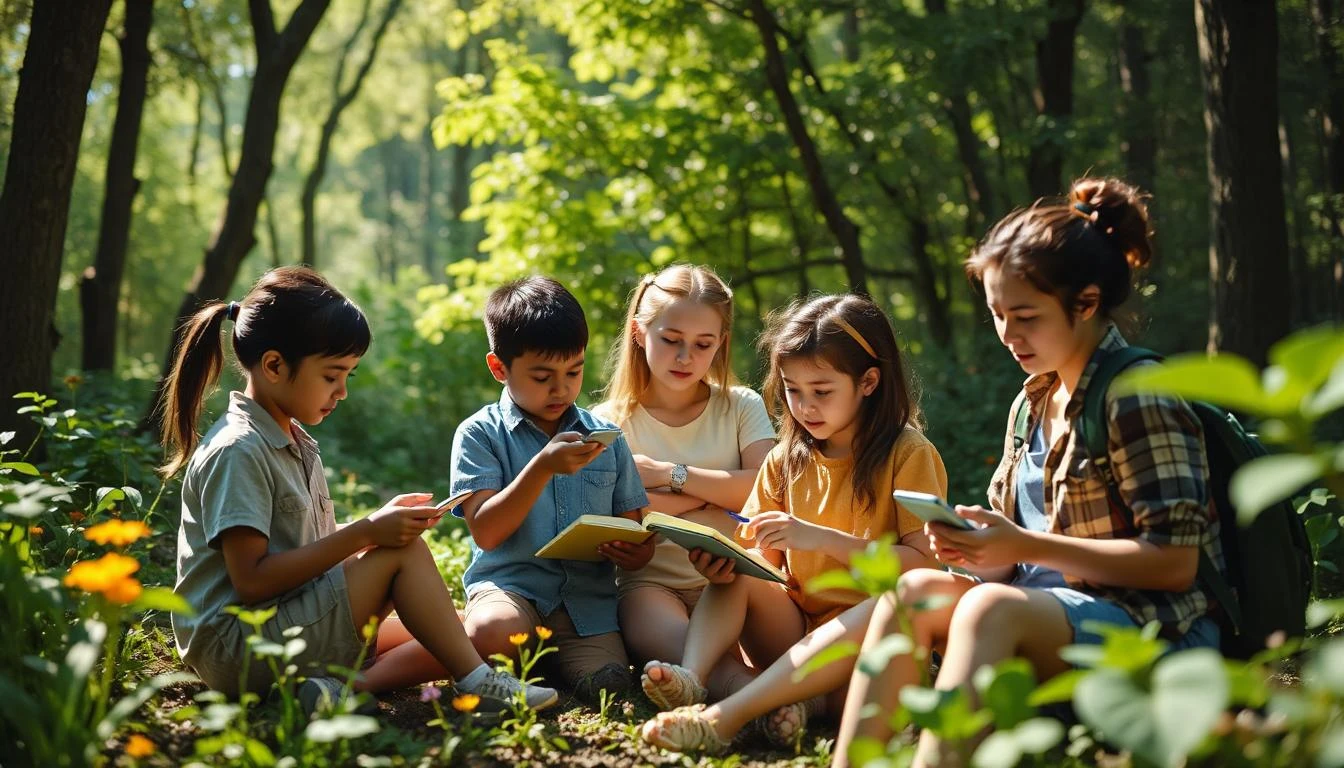
Outdoor classrooms are no longer limited to field trips. Schools increasingly create dedicated outdoor learning spaces where students investigate scientific concepts, practice creative writing, observe biodiversity, and solve real-world problems. Learning in authentic environments helps students connect theory with practical experience.
Digital tools for environmental education
Technology complements nature rather than replacing it. Mobile applications, biodiversity mapping tools, augmented reality, and environmental monitoring platforms help students document observations while strengthening scientific thinking. Combined with outdoor activities, these tools create engaging and evidence-based learning.
Experiential learning in natural ecosystems
Experiential learning encourages students to discover knowledge firsthand by exploring forests, wetlands, rivers, or school gardens. Educational researcher David Sobel explains that "Children protect what they love," highlighting how environmental responsibility begins with meaningful personal experiences.
Benefits of Nature Learning for Students
Every educational innovation should improve student development. Research consistently shows that nature-based education supports academic performance while strengthening emotional well-being, cognitive growth, and environmental awareness.
The growing body of Nature Learning study research also shows that students who regularly learn outdoors often demonstrate better concentration, stronger collaboration, and higher motivation to learn.
Cognitive development through outdoor exposure
Natural environments encourage students to observe patterns, ask questions, and solve problems. Unlike controlled classrooms, nature constantly presents new situations that strengthen critical thinking, memory, and independent learning.
Mental health and stress reduction
Students today face increasing academic pressure and constant digital exposure. Spending time outdoors helps restore attention, reduce stress, and improve emotional balance. According to environmental scientist Richard Louv, "Time in nature is not leisure time, it's an essential investment in our children's health."
Environmental awareness from early education
Children develop stronger environmental responsibility when they experience nature directly. Early exposure builds empathy toward ecosystems while helping students understand how everyday actions affect the environment.
Modern Methods in Nature Education
Nature-based education continues to evolve alongside technology and collaborative learning. Rather than replacing traditional teaching, modern approaches enrich existing curricula by combining scientific inquiry, innovation, and community participation.
Virtual nature simulations and AR learning
Virtual reality and augmented reality allow students to explore rainforests, coral reefs, glaciers, and wildlife habitats that may be inaccessible. These immersive experiences prepare students before outdoor activities and reinforce learning afterward.
Citizen science participation programs
Citizen science transforms students into active contributors. By monitoring wildlife, collecting biodiversity data, documenting weather changes, or participating in environmental projects, students strengthen scientific literacy while contributing valuable information.
School-community environmental projects
Partnerships between schools and local communities make learning more meaningful. Tree-planting programs, habitat restoration, recycling campaigns, and biodiversity initiatives help students understand that environmental stewardship is a shared responsibility.
Inspire the Next Generation Through Nature Learning
Every generation faces new challenges, but every generation also has opportunities to create positive change. Nature-based education equips learners with knowledge, confidence, and empathy while preparing them for a rapidly changing world.
Ultimately, the future of education depends not only on how much students know but also on how well they understand the world around them. By embracing Nature Learning methods, schools cultivate curious minds ready to solve tomorrow's environmental and social challenges. The greatest classroom has always existed outside our windows, and perhaps the real question is whether we are ready to learn from it.
If education is meant to inspire lifelong curiosity, there has never been a better time to bring learning closer to nature. Start exploring, keep questioning, and let nature become part of every learning journey.